Where should I put a porta potty on my property?
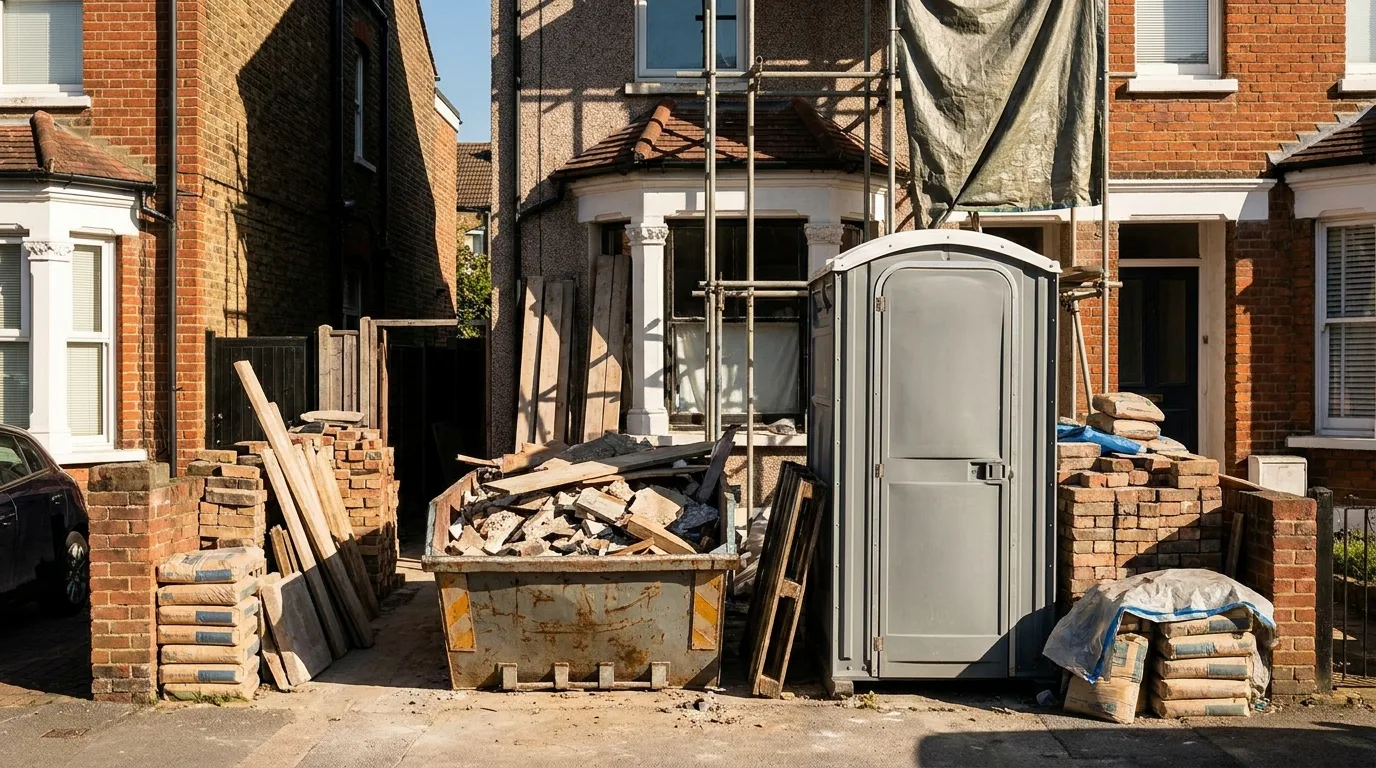
Pick flat, stable ground first. ADA Standards section 302.1 calls for surfaces that are stable, firm and slip resistant, and that rule matters just as much for a standard unit as an accessible one, because a unit sitting in soft mud will lean or sink over a weekend. Leave a clear path at least 36 inches wide to the door, per ADA Standards section 403.5.1, even if the unit itself isn't the accessible model. Check overhead too. Utility lines, low branches and eaves near a driveway all rule out a spot fast, and the same overhead check matters for a light tower rental or a temporary power pole staged nearby. If you're renting a standard porta potty for a home project, the driveway edge or side yard usually works better than the backyard, since the service truck needs a straight run to reach the tank for pumping. Setting one up for an event instead of a driveway job changes the math too; see the event restroom rental page for spacing across a larger footprit. If you're not sure how many units the space needs, the how many porta potties do I need guide walks through the math by headcount.
What clearance does the service truck need?
Service trucks need real room, not just a parking space. A pump-out truck wants a straight approach and enough turnaround room that it isn't backing across a lawn or over a septic field. This is the same reasoning behind roll-off clearance: a roll-off dumpster rental needs about 60 feet of straight clearance behind the truck to drop or pull a box, and portable toilet service trucks want a similar unobstructed lane, even though the units themselves are smaller. Gravel, compacted dirt or pavement all work, the same base a storage container rental or a 20ft storage container needs for level footing. Grass that's been rained on for three days does not. If your Albany site sits close to a ditch, slope, or a soft shoulder along the road, flag it when you book, since crews plan routes based on Albany's mix of gravel lots and paved commercial pads. Sites near Leesburg, about 10.8 miles north, or Putney, 11.1 miles southeast, often have longer gravel drives that actually make truck access easier than in-town lots, and the same applies to sites farther out near Sylvester, 21.3 miles east.
Do I need a permit to place a porta potty or dumpster in Albany?
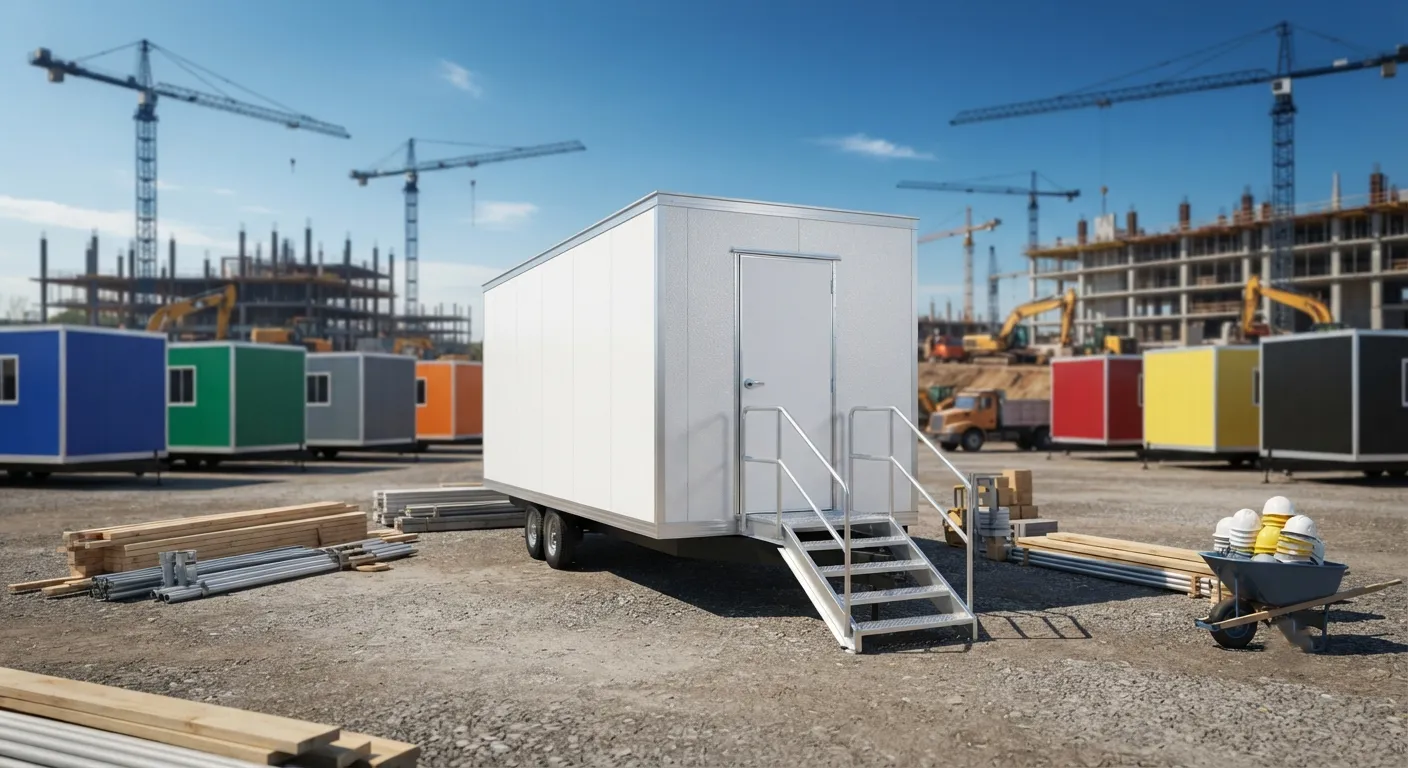
Permit rules vary by property type and by whether the unit sits in the public right of way, so this needs confirming directly with the city before you commit to a spot. Do not assume a residential driveway is treated the same as a commercial lot or a street-facing placement. The same caution applies to dumpster placement permit questions: a dumpster placement permit cost and process depend on whether the box sits on private property or extends onto city right of way, and Albany's requirements should be confirmed before delivery day, not after. The dumpster permit requirements page covers what to ask about, and the porta potty permit requirements page does the same for restroom units. For construction sites specifically, worker counts also drive placement: OSHA 1926.51(c) sets ratios starting at one toilet facility for 20 workers or fewer, which affects how many units you place and where, not just whether you need one at all. The OSHA portable toilet requirements page breaks that down further, and the construction site services page covers how placement fits into a broader site plan.
Where should ADA-accessible units be placed relative to standard units?
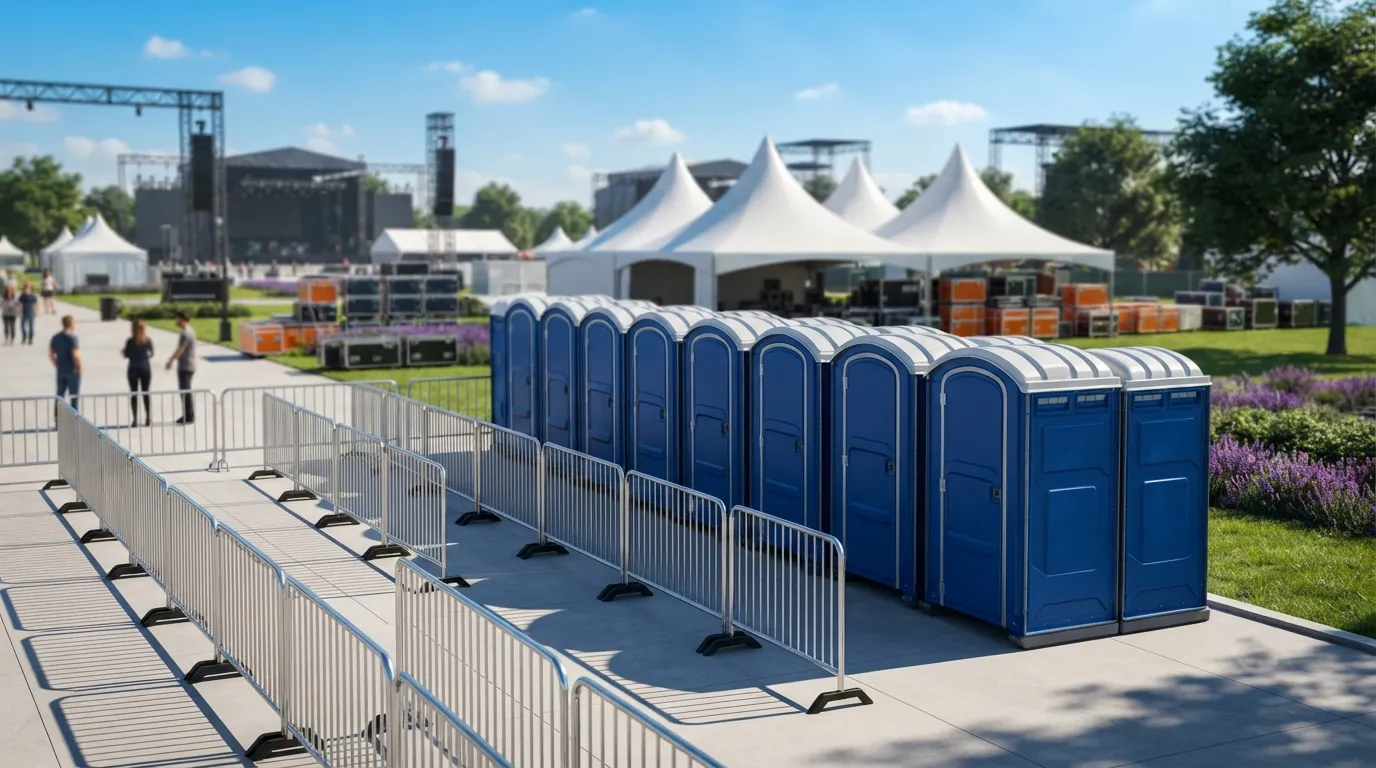
Accessible units need to sit on the same route as everyone else, not off to the side. ADA Standards section 213.2 requires that where single-user units are clustered, at least 5 percent be accessible, with a minimum of one, and that one unit needs the same 36 inch clear path and a 60 inch turning circle per ADA Standards section 304.3.1 in front of the door. A 32 inch clear door opening, per ADA Standards section 404.2.3, also has to line up with that path, not sit behind a curb or a slope steeper than 1:12 under ADA Standards section 405.2. Placing the ADA accessible porta potty at the end of a row, away from the flow of foot traffic, defeats the purpose even if it's technically on site. For guidance on the full standard, the ADA restroom requirements page covers reach ranges and operable parts under ADA Standards section 308.2.1 and section 309.4, and it pairs well with the porta potty rental checklist when you're planning a site layout.
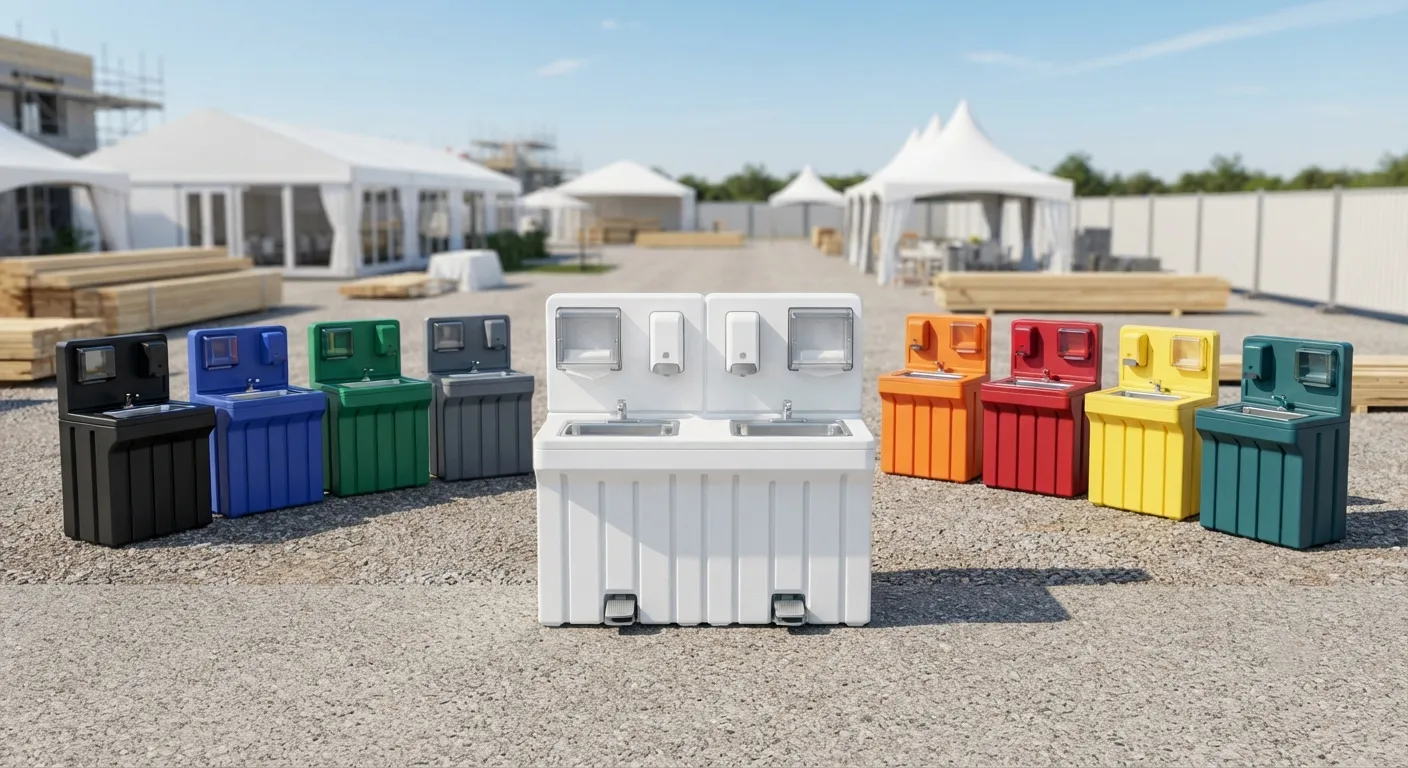
Other equipment on site has its own placement logic. A temporary fence rental around a restroom cluster keeps foot traffic controlled at events, and a handwashing station rental placed right next to the restrooms, not across the lot, gets used more. If your crew works with paints, coatings or herbicides, OSHA 1926.51(f)(1) requires washing facilities for that specific exposure, separate from general sanitation. Storage units and office trailers follow similar rules: a mobile office trailer rental needs solid, level footing too, and if a unit shows up with damaged mobile office trailer replacement doors, that's a service call, not a placement fix. Same goes for a portable sink rental missing parts, or a deluxe flushable porta potty with a jammed door latch. An Ozark River portable sink replacement parts issue is worth flagging to your rental company directly rather than working around it.
How far from a building does a porta potty need to sit?
There's no single fixed distance in the material we've verified for Albany specifically, but you want the unit close enough for a 36 inch accessible path and far enough that servicing doesn't block a doorway or fire exit. Confirm exact building-code setbacks with the city.
Can a dumpster and a porta potty share the same pad?
Yes, if the pad is large enough for both delivery trucks to maneuver separately. Each needs its own clearance, and a roll-off's 60 foot straight approach shouldn't overlap the portable toilet's service lane.
Does gravel work as a base for a portable restroom?
Yes. Compacted gravel meets the stable, firm, slip-resistant standard under ADA Standards section 302.1, and it drains better than bare dirt after Albany's rain events. Grass or fresh mulch tends to shift.
Why does the service truck need a straight approach?
Backing a pump truck at an angle risks the tank hose reaching the unit and risks tipping on soft ground. A straight line in and out is faster and safer for the crew.
Is placement different for a construction site versus an event?
Yes. Construction placement follows OSHA 1926.51(c) worker ratios and truck access; event placement, covered on the festival restroom rental page or the wedding restroom rental page, focuses more on guest flow and ADA cluster spacing.
Next step
Get a delivery date
Tell us the address, the dates and the headcount. We size the order and confirm the route.