
How many porta potties does OSHA require on a jobsite?
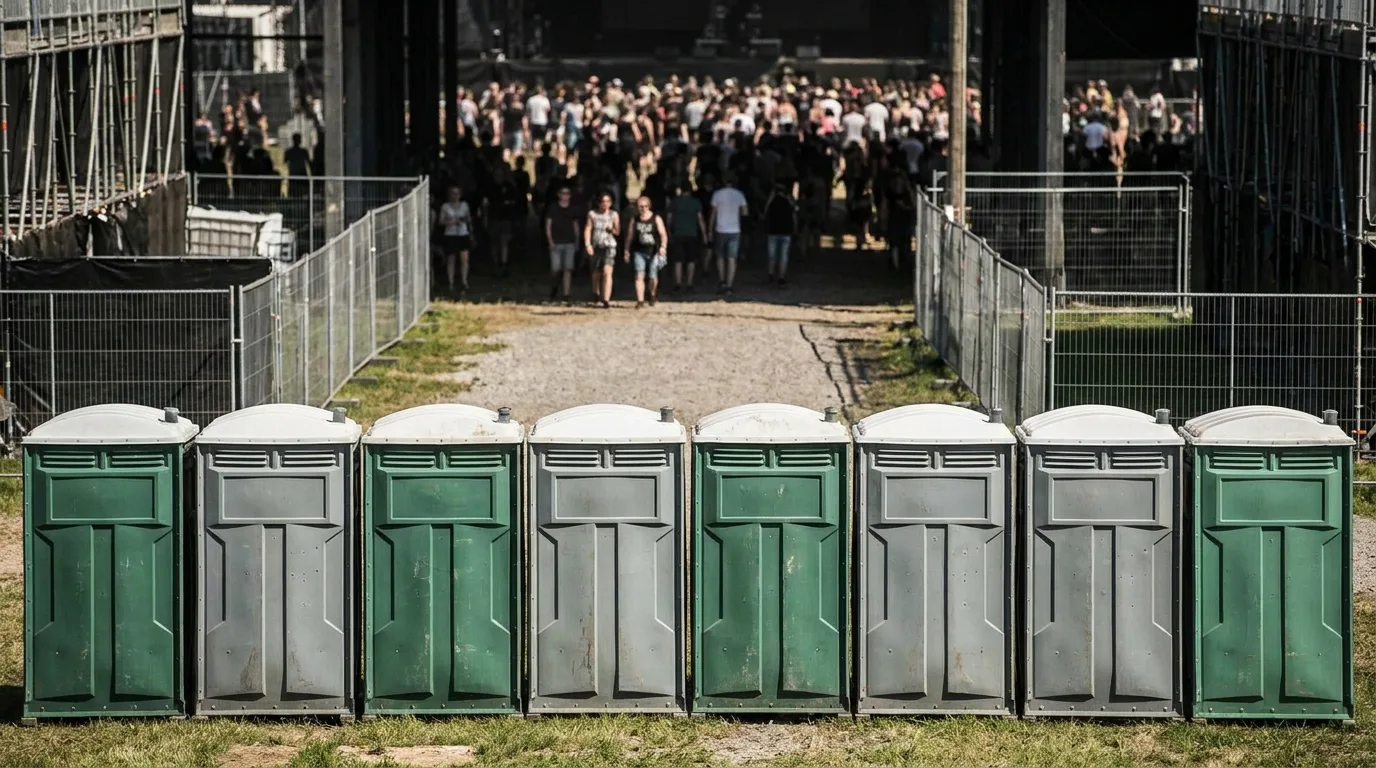
OSHA 1926.51(c) sets the actual bracket table: 1 toilet facility for 20 workers or fewer, then 1 toilet seat and 1 urinal per 40 workers once you pass 20, and 1 seat plus 1 urinal per 50 workers once you hit 200 or more. A 15-person framing crew in Albany needs exactly one standard porta potty rental. A 60-person site jumps to two seats and two urinals worth of capacity, which usually means renting from the porta potty rental fleet at that higher bracket. Don't forget water: 1926.51(a)(1) requires potable water at every jobsite, separate from toilet count. If your crew handles paint, coatings or pesticides, 1926.51(f)(1) kicks in and you need washing facilities beyond the toilet itself, not just a sink nearby. Check the OSHA portable toilet requirements page for the full bracket breakdown before you call in an order, since undercounting is the most common reason inspectors flag a site.
How many porta potties do I need for an event?
| Guests | Hours | Units needed |
|---|---|---|
| 50 | 4 | 1-2 |
| 100 | 4 | 2-3 |
| 250 | 6 | 4-6 |
| 500 | 8 | 8-10 |
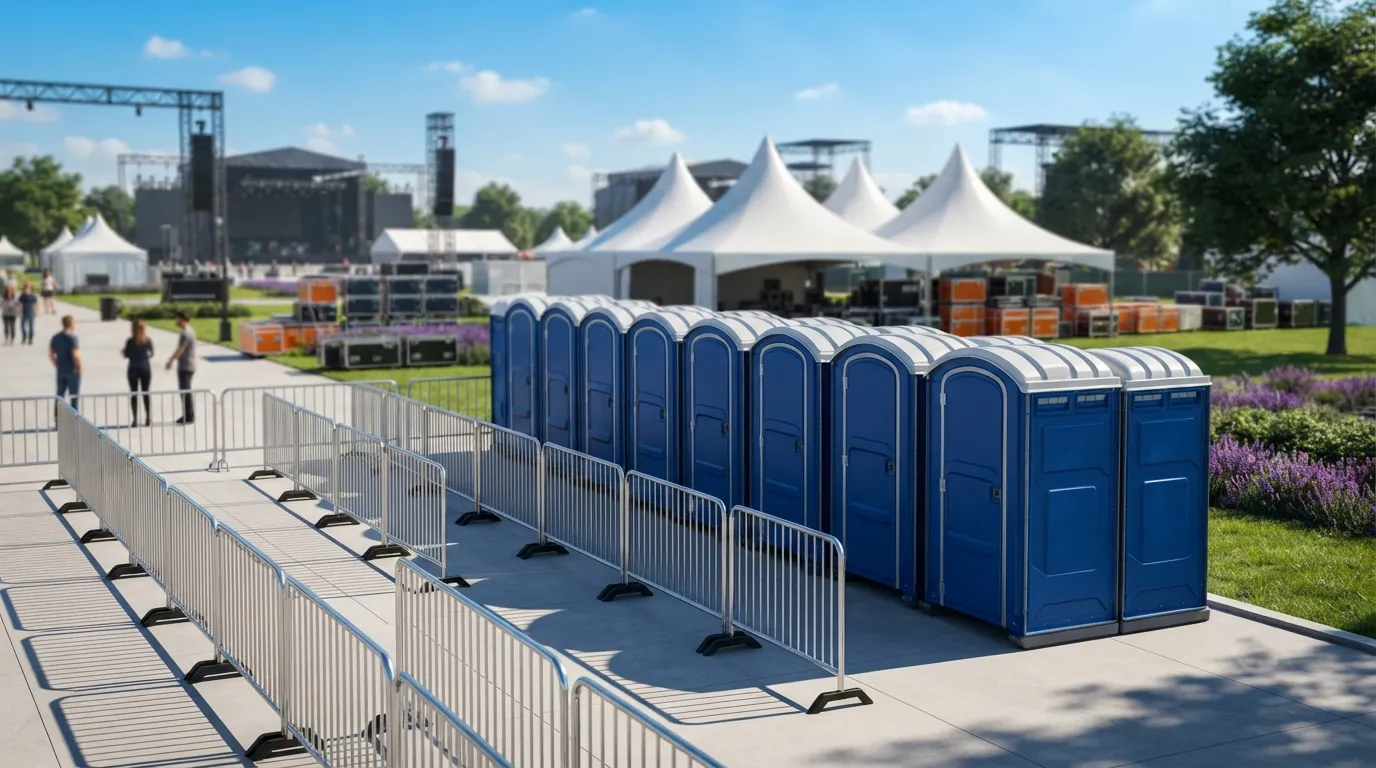
These ranges assume no alcohol and a single-day event. A wedding of 100 guests running 4 hours sits comfortably at two to three units, plus one ADA accessible porta potty since ADA Standards 213.2 requires at least one accessible unit in any cluster, even a small one. Add an extra unit for every 2 hours past the baseline window. Check the event restroom rental guide or the wedding restroom rental page for package options sized to guest counts like these.
Does serving alcohol change the count?
Yes. Alcohol adds roughly 30 percent more usage per guest, since people drink more fluid and visit more often. A 250-guest event with an open bar should move from the 4-6 unit range up toward 6-8, and a festival pouring beer all day should plan closer to 1 unit per 40 guests instead of 1 per 50. Multi-day events compound this: a two-day county fair needs full servicing between days, not just more units up front. The festival restroom rental and county fair restrooms pages both walk through servicing frequency for multi-day bookings. ANSI/PSAI Z4.3 sets the baseline service interval at once per week for up to 10 users over a 40-hour week, but a beer tent doing 500 pours a day blows past that baseline in hours, not days, so plan same-day servicing for anything with heavy alcohol traffic.
What is a worked example for a construction site?
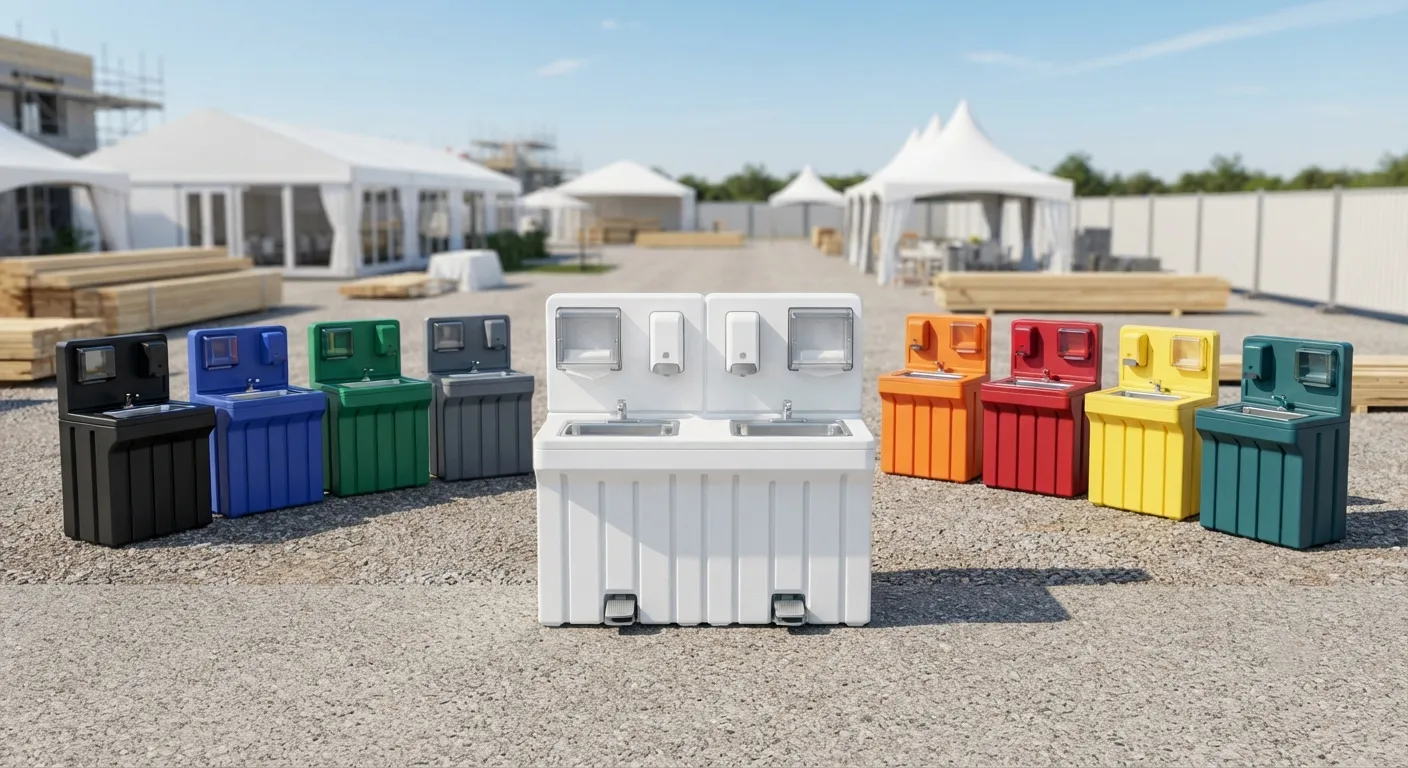
Say you're running a renovation crew of 35 people in Albany, 10.8 miles south of Leesburg, GA, for a 6-month job. Under OSHA 1926.51(c), 35 workers falls in the 20-to-up bracket, meaning 1 toilet seat and 1 urinal per 40 workers, so two combination units cover the crew with room to spare. Add a handwashing station to satisfy 29 CFR 1910.141(d)(2), which requires soap and towels or a hand-drying device, not sanitizer alone. A monthly rental on two standard porta potty rental units runs inside the measured range for long jobs, and the monthly porta potty rental page has the full pricing table. Pair that with a handwashing station rental and you've covered both toilet count and OSHA 1926.51(a)(1)'s potable water requirement in one order. For home projects, the home renovation porta potty page covers smaller single-unit setups.
What is a worked example for a wedding?
A 150-guest wedding reception running 5 hours, no alcohol restrictions lifted early, lands at 3 units by the event table above, plus one accessible unit per ADA Standards 213.2. If the venue serves a full bar for the whole reception, bump that to 4 units total. Distance matters too: a barn venue near Putney, GA, 11.1 miles southeast of Albany, still falls inside standard delivery range, so it won't carry the higher delivery fees you'd see farther out. A deluxe flushable porta potty upgrade is common for weddings since guests expect more than a jobsite unit. Check the porta potty rental cost page for how venue distance and unit type affect the final quote, and the porta potty rental checklist walks through booking timeline and placement questions before the big day.
How many cubic feet and tons do dumpster sizes hold?
Dumpster capacity matters when your site services order includes debris removal alongside toilets. How many cubic feet in a 10 yard dumpster: it measures about 12 feet long and holds around 270 cubic feet, right for a single-room renovation. How many feet is a 20 yard dumpster and how many cubic feet in a 20 yard dumpster: it runs about 20 feet long and holds roughly 540 cubic feet. How many tons does a 20 yard dumpster hold: typically 2 to 3 tons of mixed debris before you hit weight limits. How many tons does a 30 yard dumpster hold: 3 to 4 tons depending on material density, useful for a full home cleanout or a mid-size construction job. How many tons does a 40 yard dumpster hold: it holds the most volume, around 1,080 cubic feet, and commonly takes 4 to 5 tons of lighter debris like framing scrap. Heavier material like concrete or shingles will hit the weight cap well before the container fills, so check the dumpster weight limits page before loading. The dumpster sizes and dimensions page has full measurements for every size, and what cannot go in a dumpster covers banned materials that void weight allowances. A roll-off truck needs about 60 feet of straight clearance behind it for delivery and pickup, so measure your driveway or lot before ordering a roll-off dumpster rental.
Should I order extra units for a multi-day construction project?
Yes, if the crew size grows mid-project or if servicing can't keep pace with daily use. A crew starting at 15 workers in week one but scaling to 45 by week three needs to re-check the OSHA 1926.51(c) bracket each time headcount changes, not just at the start. Sites running near Sylvester, GA, 21.3 miles east of Albany, or Dawson, GA, 21.8 miles northwest, sometimes stretch servicing intervals because of drive time, so ordering one extra unit up front can be cheaper than an emergency add-on mid-week. The construction site services page bundles toilets, fencing and dumpsters for exactly this kind of scaling project, and emergency porta potty rental covers same-week additions if your crew outgrows the original order. For agricultural operations, note that OSHA 1928.110 sets a separate field sanitation standard: one facility per 20 hand-labor employees, reachable within a quarter mile walk, which is a different bracket than the construction table above. The farm and agricultural restrooms page covers that standard in full.
How many porta potties do I need for 100 people?
Two to three standard units cover 100 guests for a 4-hour event, per the table above. Add a fourth if alcohol is served or the event runs past 6 hours. Always include one ADA-accessible unit per ADA Standards 213.2, even at this smaller guest count.
How many porta potties for a 3-day festival?
Plan for the high end of the guest-count range and add daily servicing, since a multi-day event needs tanks emptied between days, not just at the end. A 500-person, 3-day festival should run 10 or more units with a service visit each morning.
Do I need an ADA unit even for a small event?
Yes. ADA Standards 213.2 requires at least one accessible unit whenever portable toilets are clustered, with no minimum guest count exemption. A 50-guest backyard wedding still needs one accessible unit alongside standard units.
How far in advance should I order for a wedding?
Two to four weeks is typical, especially during peak wedding season when trailer and deluxe unit availability tightens. Distance from Albany, unit type and any upgrade requests all factor into how far ahead you should lock in a date.
Can I mix standard and deluxe units on one job site?
Yes, many sites do exactly that: standard units for crew use, one deluxe or ADA unit near the office trailer for supervisors and visitors. This keeps jobsite toilet counts OSHA-compliant while giving office staff a nicer option.
What happens if my crew size changes mid-project?
Call and adjust. OSHA 1926.51(c) brackets shift at 20 and 200 workers, so a crew growing past either threshold needs an updated unit count before the next inspection, not after.
Next step
Get a delivery date
Tell us the address, the dates and the headcount. We size the order and confirm the route.