How fast can sanitation equipment reach a disaster site in Albany?
Speed depends on road access and how many units the response needs, but our dispatch works the same playbook every time: confirm the site, confirm the count, load the trucks. A single standard porta potty rental can often go out same day if the truck has a clear path in. Storm debris changes that math fast. A roll-off dumpster rental delivery needs about 60 feet of straight clearance behind the truck, and downed limbs or utility poles in Albany streets can eat that clearance in a hurry. We check the drop zone before the truck leaves the yard.
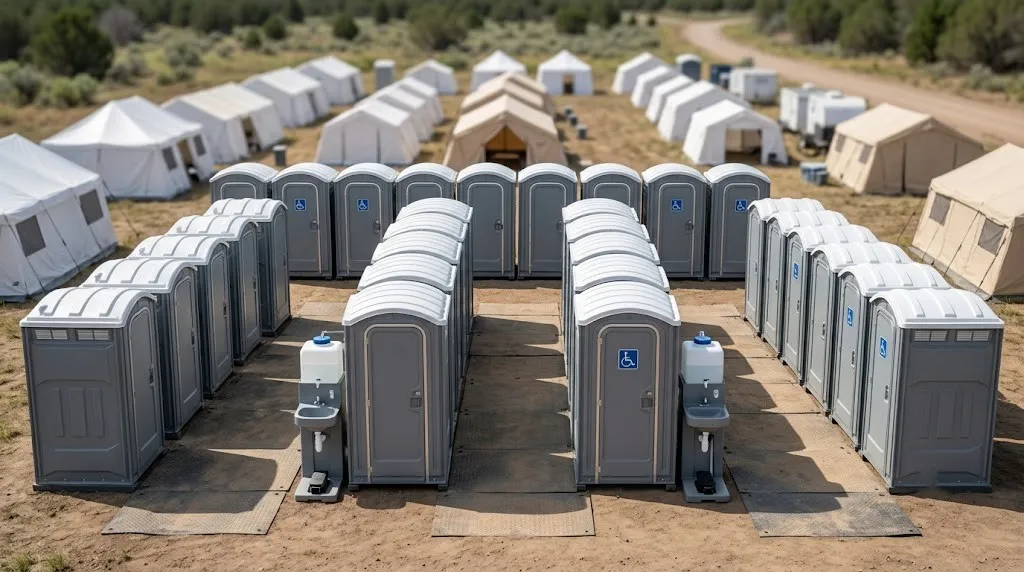
Shelters and command posts usually need more than toilets. We pair units with handwashing station rental setups, because 29 CFR 1910.141(d)(2) requires soap and towels or a hand-drying device at wash stations, not sanitizer alone. That matters in shelters running on generator power where running water is not guaranteed. For crews clearing storm debris or doing hazard tree work, general sanitation still falls under OSHA 1926.51(c), which sets toilet counts by crew size. We size the order to the headcount, not to guesswork, and we can adjust the next day if the crew grows.
Households cut off from septic service need a different fix. If a tank backs up during flooding or a pump truck cannot reach the property, a holding tank rental buys time until septic pumping service can get in. Residential tanks are typically pumped every 3 to 5 years under normal conditions, but flooding and heavy inflow shorten that window fast, and a tank already near capacity can fail within days of a storm surge overwhelming the drain field.
What sanitation equipment works best for disaster response in Albany?
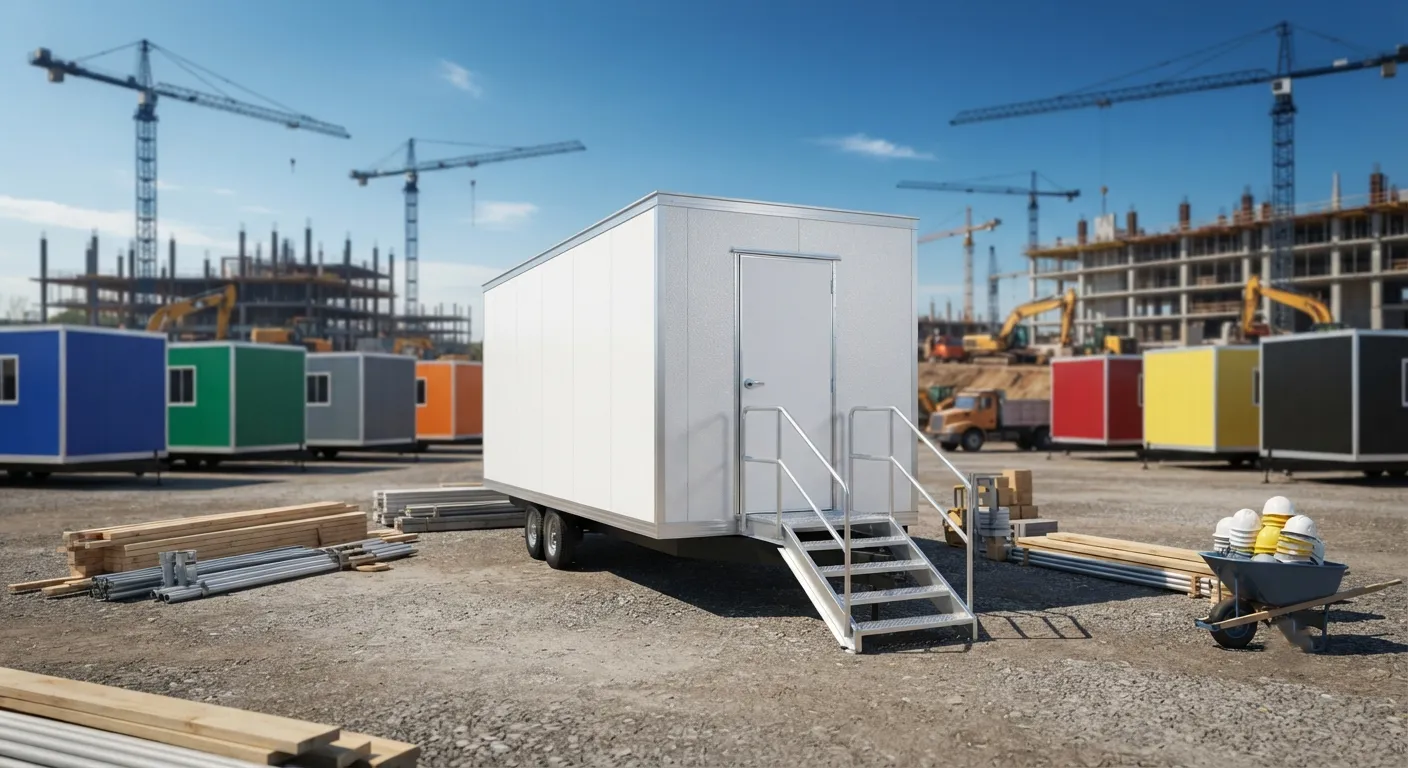
The right mix depends on whether you are supporting a shelter, a work crew or a household. A shelter housing families overnight needs privacy, real handwashing, and something better than a bare unit. That is where a deluxe flushable porta potty or a restroom trailer rental earns its keep, especially when the shelter is expected to run more than a few days. Trailers also solve the accessibility problem: ADA Standards section 213.2 requires that where single-user units are clustered, at least 5 percent be accessible, with never fewer than one unit, and our ADA accessible porta potty units meet the clearance specs in ADA Standards 304.3.1 for turning space.
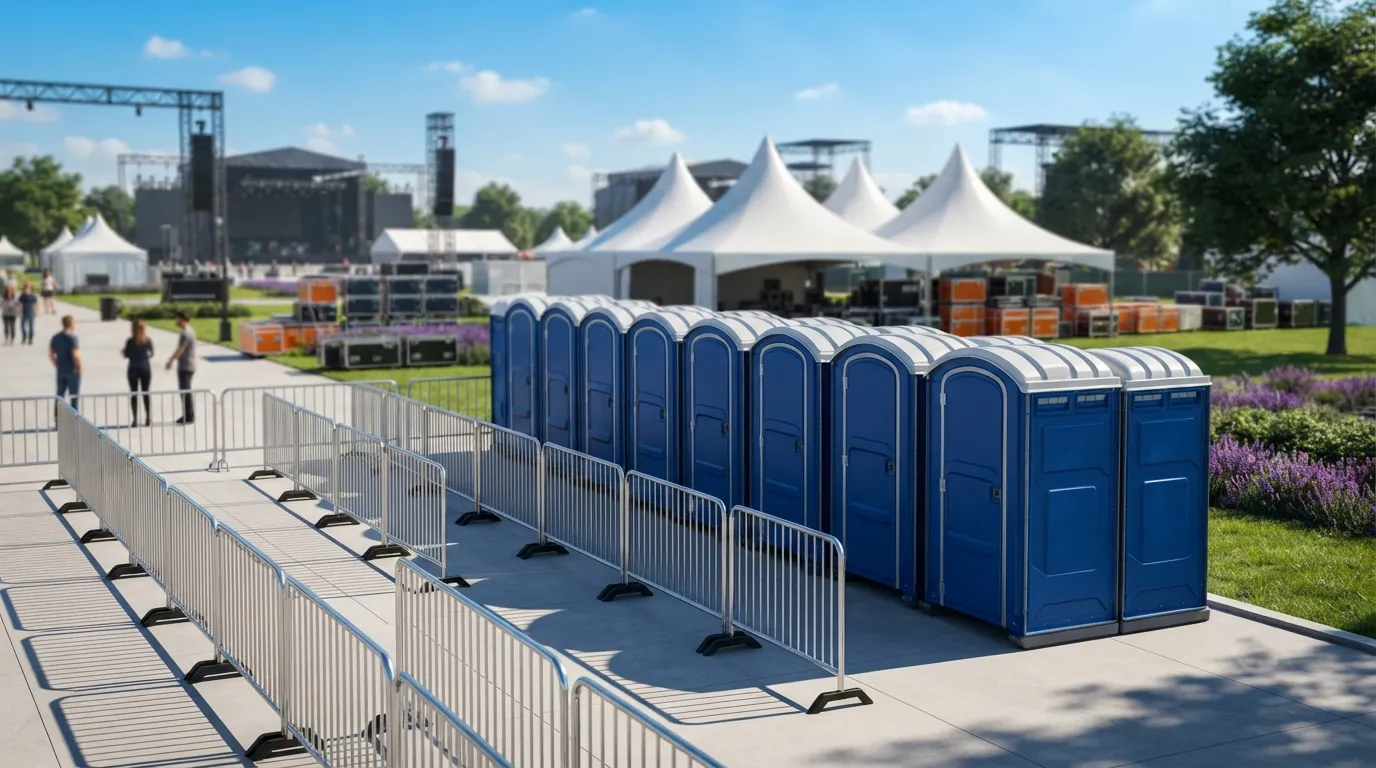
Work crews clearing roads or repairing lines move fast and need units that can move with them. A portable toilet rental placed at a staging lot works better than one unit per crew, since ANSI/PSAI Z4.3 sets a baseline service interval of once weekly for up to 10 users over a 40 hour week, and a disaster response often needs tighter servicing than that baseline once crews are working extended hours. We adjust the pump schedule to match, not the standard interval.
Debris removal itself needs capacity, not just toilets. Storm cleanup generates lumber, roofing, drywall and yard waste fast, and a 30 yard dumpster rental or 40 yard dumpster rental clears a property faster than repeated small hauls. Check what cannot go in a dumpster before loading, since some storm debris, like propane tanks or chemical containers, cannot go in with general waste. For sites needing to secure a perimeter after a storm, temporary fence rental keeps looters and curious foot traffic off damaged structures while insurance adjusters and contractors do their work.
Why do disaster sites need more portable toilets than a normal job site?
Disaster response crowds more people into less infrastructure than a typical work site, so the standard toilet ratios in OSHA 1926.51(c) often understate real need. A shelter housing evacuees around the clock has no "off hours" the way a construction site does, and foot traffic through one bathroom bank runs nonstop. We also see this on farms and rural properties around Albany when flooding knocks out well pumps; see farm and agricultural restrooms for how field sanitation needs, covered separately under OSHA 1928.110, differ from job site rules.
Lighting matters too. Crews working debris removal after dark need illumination that meets OSHA 1926.56(a), and a light tower rental paired with a temporary power pole keeps a staging site lit and running when the grid is still down. Albany sits close enough to several towns that mutual aid crews often stage locally. Leesburg is about 10.8 miles north, Putney about 11.1 miles southeast, and both fall within a reasonable trailer run if a shelter there needs backup units on short notice. We serve Sylvester, Dawson and Camilla the same way when storms track wider than one county.
How much does emergency porta potty rental cost during a disaster?
Emergency response pricing depends on how fast you need delivery and for how long. Standard daily rentals run $100 to $350; see emergency porta potty rental for response-specific detail and porta potty rental cost for the full breakdown by term.
Can Albany Porta Pros deliver during active storm conditions?
We deliver as soon as roads are passable and it is safe for our drivers. We coordinate with shelter staff and county contacts to sequence deliveries as access opens back up across Albany.
Do disaster sites need ADA accessible units too?
Yes. ADA Standards section 213.2 still applies during emergency response wherever units are clustered. We include at least one accessible unit per cluster as standard practice, not an add-on.
How many portable toilets does a shelter need?
It depends on occupancy, but see how many porta potties do I need for the sizing method we use, based on headcount and hours of use, then call us to confirm counts for your shelter.
What if our septic system fails during flooding?
A holding tank can bridge the gap until a pump truck reaches the property. Call septic pumping service or ask about emergency septic service for priority dispatch during active flooding.
Next step
Get a delivery date
Tell us the address, the dates and the headcount. We size the order and confirm the route.